By Laurie Melrose-Doering, Osteopath & Applied Kinesiologist
Cancer and its treatment can place strain on the body, often leading to pain, fatigue, stiffness, and reduced mobility.
While medical treatments such as chemotherapy, radiotherapy and surgery are essential, some people explore complementary approaches to support their overall wellbeing.
Osteopathy is one such approach.
It is important to be clear that osteopathy does not diagnose, treat, or cure cancer. However, it may be used alongside conventional care to help support comfort, movement, and general wellbeing.
Osteopathy is a hands-on therapy that focuses on the muscles, joints and overall structure of the body.
Using gentle techniques such as stretching, mobilisation and soft tissue work, it aims to:
Treatment is tailored to the individual, taking into account posture, lifestyle and general health.
According to Cancer Research UK, there is no evidence that osteopathy can treat or cure cancer.
However, some people choose osteopathy as a complementary therapy to help manage the physical effects of cancer and its treatment.
Patients may find it helpful for:
These effects are supportive in nature and can vary from person to person.
Osteopathic care is adapted carefully for each individual, particularly for those undergoing or recovering from cancer treatment.
In this context, treatment is typically gentle and focused on comfort.
It may support:
For many people, this can be helpful during periods of recovery or adjustment.
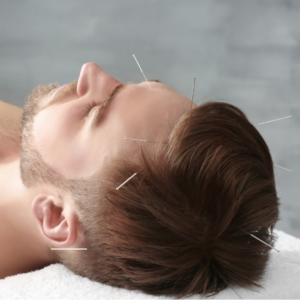
Some practitioners may also incorporate the NADA protocol, a form of auricular (ear) acupuncture.
This approach is used to support:
It is used in a range of healthcare settings, including services within the NHS.
As with osteopathy, it is not a treatment for cancer, but may provide supportive care alongside medical treatment.
Osteopathy is generally considered safe when carried out by a qualified practitioner, provided treatment is adapted appropriately.
If you are undergoing medical treatment, it is important that your osteopath is aware so care can be tailored safely.
Treatment will usually involve gentle, non-invasive techniques, avoiding areas affected by surgery or medical concerns.
According to Cancer Research UK, more forceful techniques may be avoided in certain situations, such as when bones are weakened.
Osteopathy should always be used as a complementary approach alongside conventional medical care.
For some people, it can provide additional support by helping them feel more comfortable, more mobile, and more relaxed during or after treatment.
Some people also explore approaches such as herbal medicine as part of their overall wellbeing, although it is important to seek professional advice as certain supplements may interact with medical treatments.
Osteopathy does not diagnose, treat, or cure cancer. It is used as a supportive therapy to promote wellbeing alongside conventional medical treatment.
By Laurie Melrose-Doering, Osteopath, Medical Herbalist & Applied Kinesiologist
NHS
NHS (2022) – Complementary and Alternative Medicine:
https://www.nhs.uk/conditions/complementary-and-alternative-medicine/
Licciardone, J.C., et al. (2013) – Osteopathic Manipulative Treatment for Chronic Low Back Pain: Annals of Family Medicine:
https://www.annfammed.org/content/11/2/122
Franke, H., et al. (2014) – Osteopathic Manipulative Treatment for Non-Specific Low Back Pain: BMC Musculoskeletal Disorders:
https://bmcmusculoskeletdisord.biomedcentral.com/articles/10.1186/1471-2474-15-286
We use cookies to improve your experience and understand how our site is used. With your consent, we may process data such as browsing behaviour or unique IDs. You can withdraw or change your consent at any time. Without consent, some features may not work as intended.